Tucson summers arrive with an intensity that makes preparation less optional and more a matter of comfort, safety, and cost control. Your HVAC system will do the heavy lifting while temperatures climb well into the 90s and often above 100. A neglected system spikes your energy bills, shortens equipment life, and raises the risk of mid-summer breakdowns. The guidance here comes from years of working on home systems in the Sonoran Desert, and from hundreds of conversations with homeowners who wanted lower bills and a steady cool house without surprise service calls.

Why this matters The difference between a prepared HVAC system and a neglected one shows up in three places: monthly electric statements, indoor comfort during heat waves, and the timing of costly repairs. A well-maintained AC runs more efficiently, avoids dirty-coil and refrigerant-related failures, and resists short cycling. That translates to lower bills, fewer emergency HVAC repair calls, and an extra five to ten years of useful life from your system in many cases.
Know the stress the Tucson climate places on equipment Heat and dust are the primary enemies. High outdoor temperatures force the compressor to work harder to move heat from indoors to outdoors. Dust and pollen clog filters, coat coils, and choke the airflow that the evaporator needs to remove humidity. Add monsoon humidity and the challenge becomes both cooling and dehumidifying. Older systems with marginal refrigerant charge or failing capacitors are more likely to fail when the weather spikes. When I worked on a busy service truck, most emergency AC repairs happened the week after a two- or three-day heat wave.
Start with a seasonal checklist A short, focused checklist helps you prioritize. If you hire a professional, this list tells you what to expect during the visit. If you do some of the work yourself, it keeps you safe and efficient.
Replace or clean your air filters, then mark a reminder to change them every 30 to 90 days. Clear debris from the outdoor condenser, remove vegetation to keep at least 2 feet of clearance, and gently hose off fins if dirty. Schedule a professional tune-up with a licensed HVAC contractor Tucson AZ, ideally in spring before peak heat. Inspect and insulate ductwork in attics and crawl spaces, sealing visible leaks with mastic or UL-approved foil tape. Test thermostat settings, upgrade to a programmable or smart thermostat if your unit is older, and verify proper operation.Filter discipline pays off A clogged filter increases fan motor load and reduces airflow across the evaporator coil, which lowers cooling capacity and can freeze the coil during humid nights. For homes with pets or during spring pollen, a 1-inch pleated filter may need replacement every 30 days. For lower-traffic homes, a 4-inch or pleated filter rated MERV 8 to 11 can stretch to 90 days while still protecting the system. Be cautious about very high MERV filters in older furnaces, because they can restrict airflow excessively and cause the blower to work harder. If you have concerns, ask a qualified HVAC technician which filter balance is right for your model.
Keep the outdoor unit visible and ventilated Condenser coils located outside must breathe. Many homeowners place potted plants, storage bins, or barbecues near their outdoor unit, and even a few inches of reduced airflow will lower efficiency. Trim shrubs to provide at least 24 inches of clearance on all sides and 48 HVAC company inches above if possible. When you hose the exterior fins, use a low-pressure spray and work from the inside out to avoid bending the fins. If fins are bent, a gentle combing with a fin comb can restore airflow. If the unit is on a dirt pad, consider a gravel or paver base to reduce mud and dust splash during monsoon storms.
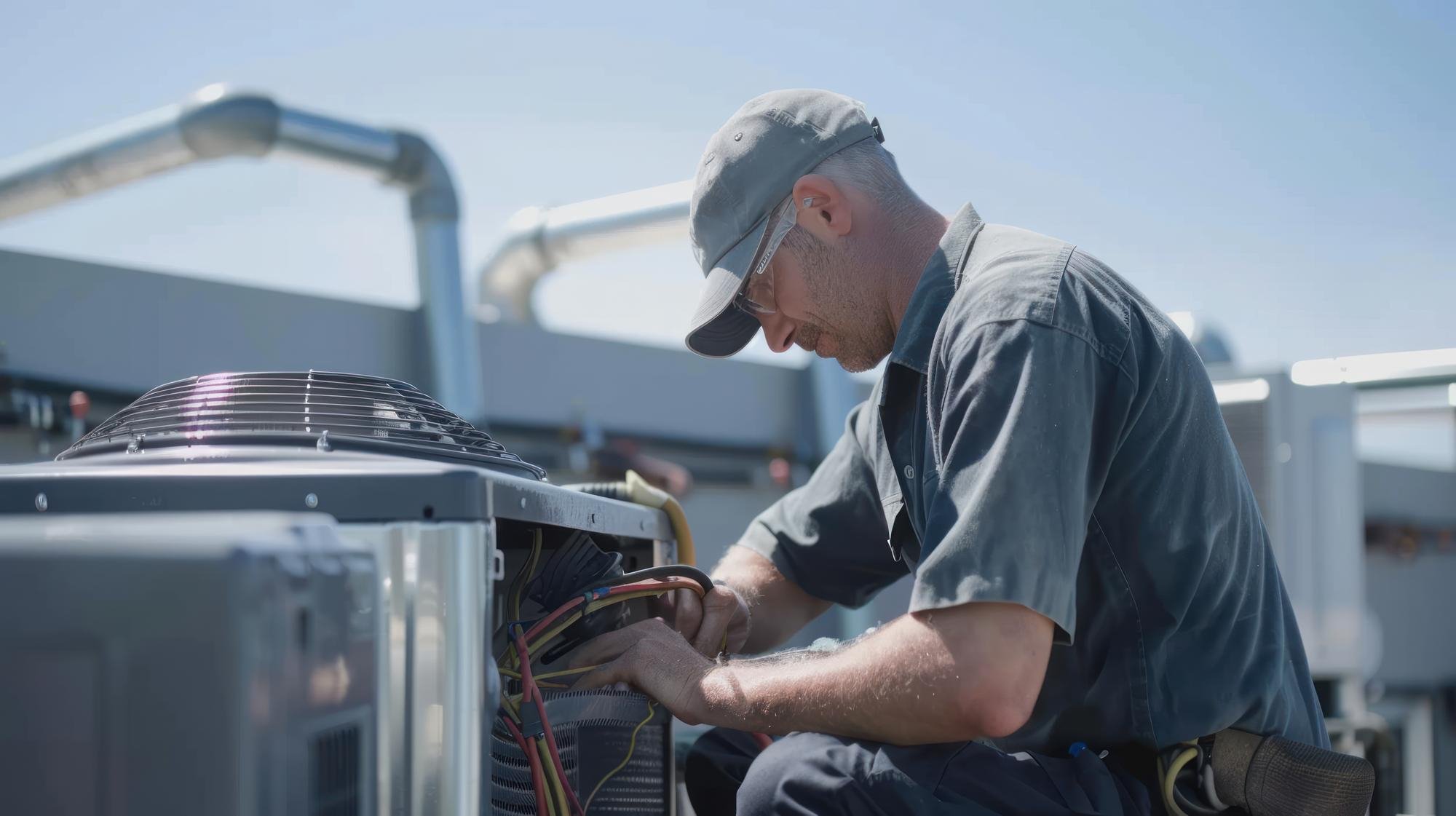
Schedule preventive maintenance with trusted local pros Timing matters. Book a professional visit in spring, before the hottest months. A comprehensive tune-up looks beyond a visual check and includes refrigerant level verification, evaporator and condenser coil inspection and cleaning, electrical connection tightening, capacitor and contactor testing, blower motor amperage measurement, condensate drain cleaning, and a safety control check.
Hiring an HVAC company in Tucson AZ that understands local conditions is important. Ask for a written scope of work and a clear price. A typical tune-up may vary by company, but expect to see inspection of refrigerant pressure and superheat, measurement of airflow, and safety checks. If technicians recommend refrigerant top-up, insist they provide diagnostic notes explaining why. Low refrigerant often indicates a leak, and simply adding refrigerant without repairing the leak is a short-term fix that costs more over time.
Watch for early warning signs that indicate a repair rather than routine maintenance Strange sounds, uneven cooling, higher-than-normal bills, and frequent cycling are red flags. A humming or clicking noise that precedes failure usually points to a failing capacitor or contactor. A system that runs longer but fails to reach setpoint may have low refrigerant or dirty coils. Short cycling, where the system turns on and off rapidly, often indicates an oversized system, a broken thermostat, or pressure limits triggered by poor airflow. If you notice these symptoms, call for HVAC repair sooner rather than later. Emergency calls during heat waves are pricier and often limited to what a company can do in a single visit.
Balance savings and comfort with thermostat strategies Tucson air conditioning consumes a large share of summer electric usage. Smart thermostat strategies reduce runtime without making the home unbearable. A practical rule: set the thermostat to the highest comfortable temperature while you are home, and raise it 6 to 8 degrees when you are away. Avoid extreme setbacks that force the system to run full-blast on return; systems are sized for steady cooling loads, not large swings.
If you or others in the household are sensitive to heat, consider zoning or a dual setpoint schedule. A programmable or smart thermostat can handle short-term schedule changes, and many now integrate with local weather to minimize dehumidification issues. When installing a new thermostat, ask the HVAC contractor Tucson AZ about compatibility with your heat pump or conventional system, and whether the contractor will configure it to minimize compressor short cycling.
Ductwork is often the overlooked problem Poorly sealed and uninsulated ducts leak cooled air into attics and crawl spaces, which is throwing away the effort of your AC. Sealing ducts with mastic paste and insulating them to R-8 or better in unconditioned spaces reduces load on the system and improves comfort. If your home still uses flex duct that is kinked or crushed, or if you sense hot rooms while vents blow cool air, schedule a duct inspection. A professional duct test using a blower door or duct blaster quantifies leakage so you can decide whether repairs or a partial replacement are cost effective.
Consider upgrades that pay back in hot weather Not every upgrade makes sense for every home, but there are sensible investments that often pay back in comfort and energy savings. Replacing an air conditioner that is more than 12 to 15 years old with a unit that has a higher SEER rating lowers running costs in a hot climate. Adding attic insulation, sealing air leaks around windows and doors, and installing radiant barrier in the attic reduce heat gain and shrink the capacity needed from your system.
A variable-speed blower or a two-stage compressor can make a noticeable difference in humidity control and runtime. These features cost more up front but typically smooth indoor temperature swings and run longer at lower capacity, which reduces wear from frequent starts. Talk with a reputable HVAC contractor Tucson AZ about expected seasonal energy savings and whether incentives or rebates apply.
Handle refrigerant issues proactively If a technician finds low refrigerant, take it seriously. Low refrigerant often means a leak. Technicians should not simply top off the charge and walk away. Proper repair involves locating and fixing leaks, performing a vacuum to remove moisture and non-condensables, then recharging to manufacturer specifications. Modern refrigerants require correct handling, certified technicians, and sometimes the replacement of components that have been damaged by contaminants. Ask prospective HVAC Service Near Me providers what their protocol is for leak repairs.
Protect condensate drains and indoor air quality Clogged condensate drains can overflow and cause water damage. Cleaning the drain during a service visit, and adding an overflow safety switch when drains run through finished ceilings, reduces risk. If you have an older home or a family member with allergies, consider a whole-home filtration upgrade or a UV germicidal light to reduce biological growth on the coil. These add complexity and cost, but in many homes they improve indoor air quality and reduce cleaning needs.
Plan for monsoon season and power interruptions Monsoon storms can bring dust, windblown debris, and brief power outages. Before the monsoon, secure any loose items around the outdoor unit and clear gutter debris that might block downspouts and splash dirt toward the condenser. If your home experiences frequent outages, consider surge protection for the HVAC system; a surge can damage electronic controls and start capacitors. In areas with aggressive lightning activity, whole-house surge protection reduces the chance of control board failures.
When to call a professional vs. DIY There are safe tasks homeowners can do: changing filters, clearing vegetation, wiping accessible registers, and following basic thermostat checks. Do not attempt to open electrical panels, handle refrigerant, or disassemble the blower without training. Capacitors can hold dangerous charge. If you see oil stains near refrigerant lines, hear odd compressor noises, or suspect a refrigerant leak, call a licensed HVAC repair technician. Searching online for "HVAC Service Near Me" and reading reviews will surface local businesses. Ask for licenses, insurance, and customer references. If you live in the Tucson area, local HVAC experts Tucson AZ such as Plunkett Home Services often publish service checklists and pricing; compare several providers before making a decision.
Budgeting and trade-offs A thorough tune-up with minor repairs often runs a few hundred dollars, while a major compressor replacement can be several thousand. Replacing an entire system typically ranges significantly based on capacity, efficiency, and installation complexity. Weigh factors beyond sticker price. A cheaper unit with improper installation often costs more over the long haul than a slightly more expensive system installed by a professional who tests and balances airflow, seals ducts, and sets proper refrigerant charge. If your system is under warranty, keep records of service to avoid voiding coverage.
Working with Plunkett Home Services and other local contractors If you search for "HVAC contractor Tucson AZ" or "HVAC company in Tucson AZ," you will find local options with varying specializations. Ask each contractor whether they offer a summer readiness package, what their response time is during heat waves, and whether technicians are perform single-visit repairs when possible. Transparency matters: request clear pricing for diagnostics and common repairs. A reputable HVAC company will explain options rather than pushing the most expensive replacement, and will provide maintenance plans to reduce the odds of emergency AC repair during peak summer.
One anecdote worth sharing I had a client call in July about a bedroom that stayed warm despite the rest of the house feeling fine. Technicians initially suspected a failing duct boot or a zoning issue. On inspection, we found the supply duct to that bedroom had been routed through an uninsulated attic and was lying on a heat-absorbing dark membrane. The supply temperature at the register was fine, but the duct lost most of its cooling in the attic. The fix was simple and inexpensive: re-route and insulate the duct and add a booster box to that run. The homeowner saved the cost of a new system and the bedroom became comfortable again. The lesson: not every comfort problem requires a full system replacement. Experienced local HVAC experts Tucson AZ can find less obvious causes and offer practical solutions.
Emergency preparedness and contact strategies Set up a relationship with a local HVAC contractor before you need them. Contractors often prioritize existing customers during heat waves. If you have a maintenance agreement, you are more likely to receive timely service and diagnostic priority. Keep your service agreement and the contractor's after-hours emergency line in a place where you can find them fast. Document the model and serial numbers of your equipment and the last service date so technicians arrive with the correct parts and a clear history.
Final judgment call Preparing your home for Tucson summer is a mix of basic homeowner discipline and strategic investment. Replace filters religiously, keep outdoor units clear, seal and insulate ducts, and schedule a professional tune-up in spring. For repairs and upgrades, prefer a local HVAC contractor Tucson AZ who understands the desert climate, offers clear diagnostics, and explains trade-offs. Whether you type "HVAC Service Near Me" or call a familiar name like Plunkett Home Services, choose the contractor that balances honest pricing, documented work, and referrals.
When you take these steps, your system will use less energy, last longer, and keep your home reliably cool. In a place where summer heat is not a mild inconvenience but a defining feature of life, thoughtful HVAC preparation is the most practical form of summer-proofing your home.
Plunkett Home Services
3144 E Fort Lowell Rd, Tucson, AZ 85716
+1 (520) 808-2743
[email protected]
https://callplunkett.com/